

Our tools & registry
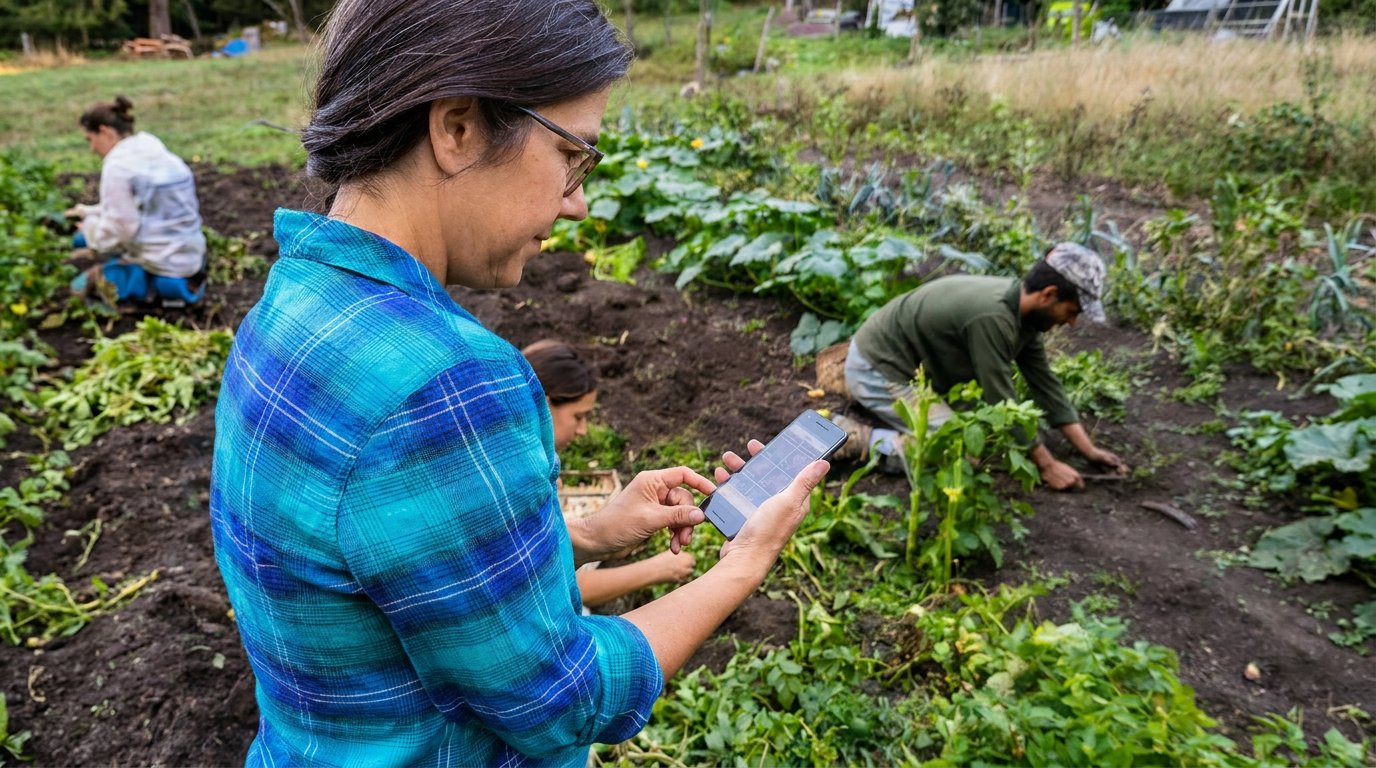
Different tools, same purpose: collect reliable information, complete the necessary checks and produce a transparent record.
-
01
Enter and manage data
Keep project, production or emissions information structured in the appropriate tool.
-
02
Calculate and verify
Apply the relevant methodology and support an efficient independent verification process.
-
03
Document the outcome
Generate reports, manage certified assets or make verified information publicly accessible.
Tools & Registry
Our registry and five tools, covering production, projects, climate calculation and public records.
-
01
 Public transparency
Global C-Sink Registry
Explore certified projects and carbon sinks with Project Design Documents and complete public documentation in our ICROA-endorsed registry.
-
02 Manage climate assets
Global C-Sink Tool
The Global C-Sink Tool is where C-sinks are managed, transferred, and retired. It's the engine behind the Global C-Sink Registry - handling every step from a verified C-Sink's first listing through to its final retirement, with a clear, auditable record at each stage.
-
03
 Biochar production
Biochar Tool
Manage production units and batches, sampling, results, production volumes and communication with certification experts.
-
04
 Buildings & materials
Construction Tool
Manage construction projects, validate C-Sink materials, calculate removal potential and emissions, and support verification.
-
05
 Agriculture
World-Climate Farm Tool
Calculate your farm’s carbon footprint and produce structured reports on its overall climate performance.
-
06 Climate calculation
Methane Calculation Tool
The Methane Calculation Tool works out the global warming effect of methane emissions - and how many C-sinks are required for their compensation. Because methane is a powerful but relatively short-lived greenhouse gas, it pairs well with temporary carbon sinks that offset its warming effect over a comparable period.