
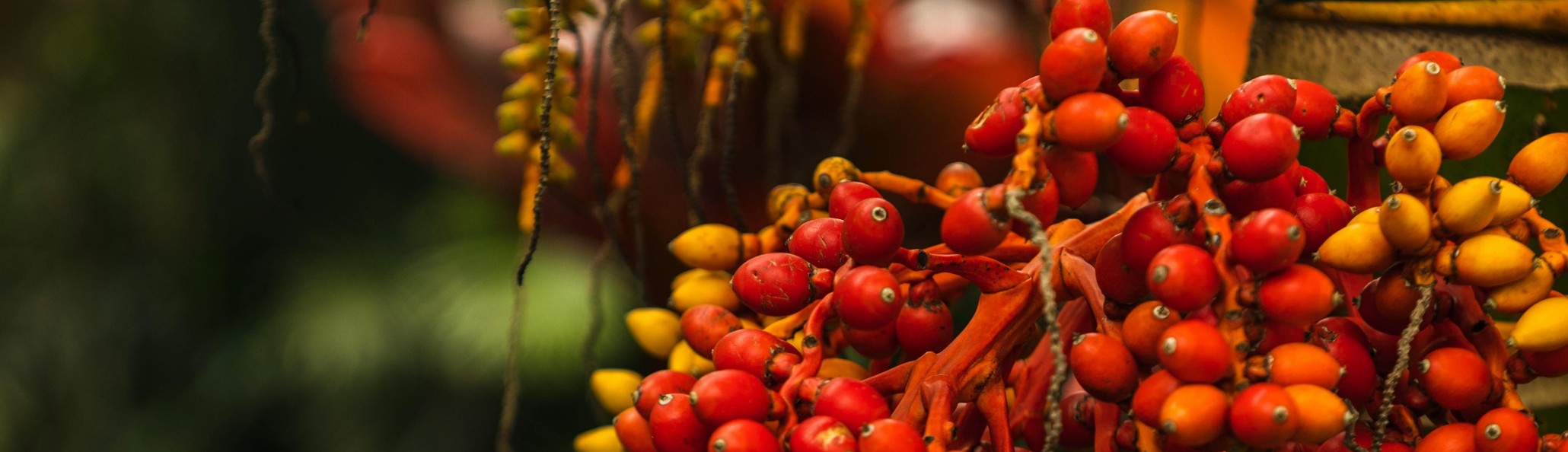
TSE to Present Palm Biomass Biochar Pilot at Biochar Summit 2026
Collaboration with Carbon Standards International and the International Biochar Initiative to develop scalable biochar production pathways for palm biomass residues in Southeast Asia
VIENNA, Austria – TSE Group will present a pilot initiative focused on converting palm biomass residues into biochar during Biochar Summit 2026 in Vienna on 10–11 June. The project is developed in collaboration with Carbon Standards International (CSI) and the International Biochar Initiative (IBI) to assess scalable pyrolysis systems suited to tropical plantation conditions in Indonesia and Malaysia.
The pilot project centers on the use of Empty Fruit Bunches (EFB), Oil Palm Trunks (OPT), and other palm-derived biomass residues generated through plantation operations in Indonesia and Malaysia.
"The sector generates 140 million tons of biomass residues annually that are currently discarded or burned,” said Kwangyul Peck, Senior Advisor, TSE. “No new tree plantings. No new roads. No additional infrastructure investment of any kind. By processing this existing waste stream through facilities already in place, this new approach can yield approximately 32 million tons of CDR per year. To put that in context, CDR.fyi estimates that roughly 1 million tons of CDR were delivered globally in total last year."
TSE has developed commercial-scale pyrolysis kiln systems specifically designed for fibrous, high-moisture tropical biomass feedstocks, which have historically presented technical and operational challenges for biochar deployment in the region. The pilot project includes the design and manufacture of continuous-operation pyrolysis kilns intended for plantation-scale deployment across Southeast Asia.
The systems have been developed with partners, including a Korean engineering firm and ReCORD, a clean energy research institute affiliated with the University of Florence.
“This initiative reflects the kind of rigorous, feedstock-specific work that the biochar carbon removal market needs as it scales,” said Ueli Steiner, CEO, Carbon Standards International. “Developing credible certification and carbon accounting pathways for challenging biomass streams needs on ground experience.”
The project intends to pursue certification under the industrial biochar standards of Carbon Standards International, for high quality biochar production and carbon removal accounting. The participating organizations emphasized that the initiative will be supported by certification and carbon removal accounting, with operational performance subject to ongoing review and verification.
“The biochar industry continues to explore how a wider range of biomass feedstocks can be responsibly and credibly integrated into biochar systems,” said Luisa Marín, Executive Director, International Biochar Initiative. “We support evidence-based dialogue and collaborative learning around emerging biochar applications and standards development.”
Biochar — a carbon-rich material produced through the thermal conversion of biomass under oxygen-limited conditions — has gained increasing attention as a soil amendment and a durable carbon dioxide removal (CDR) pathway. Market observers and carbon removal buyers have increasingly identified biochar as one of the more scalable and commercially active CDR approaches.
—
About Carbon Standards International (CSI)
CSI develops reliable solutions for the production of certified biochar and for delivering credible climate services.
About the International Biochar Initiative (IBI)
IBI is a nonprofit organization empowering communities and inspiring industries to integrate biochar-based solutions towards healthier ecosystems and economies worldwide.
About TSE Group
TSE Group is engaged in palm oil plantation and processing, based in Indonesia with headquarters in Papua.